Creating a stunning garden is a rewarding endeavor that combines art and nature, allowing us to express our creativity while fostering an environment that supports wildlife and enhances our surroundings. Whether you have a small balcony or a sprawling backyard, understanding the principles of garden design and the characteristics of various plants can help you craft your own floral paradise. This article will delve into essential aspects of garden creation, including selecting the right plants, designing for aesthetics and functionality, and maintaining your garden for lasting beauty.
Understanding Your Space
Before embarking on your gardening journey, it’s crucial to assess your available space. Every garden has unique characteristics, including sunlight exposure, soil quality, and moisture levels. Take note of the sunniest spots, shaded areas, and any microclimates created by structures or trees. This information will guide your plant selection and placement.
Choosing the Right Plants
Selecting plants that thrive in your specific conditions is vital for a successful garden. Start by considering the following categories:
1. Perennials: These resilient flowers return year after year, offering consistent beauty. Popular choices include peonies, lavender, and daylilies. They provide structure and color throughout the seasons, making them a staple in many gardens.
2. Annuals: Known for their vibrant blooms, annuals such as marigolds, zinnias, and petunias can fill spaces quickly, adding immediate color to your garden. They thrive in full sun and are perfect for creating lively displays.
3. Bulbs: Flowers like tulips, daffodils, and hyacinths bring bursts of color in spring, heralding the warmer months. Planting bulbs in groups can create stunning focal points.
4. Shrubs and Bushes: Incorporating shrubs like hydrangeas, roses, and azaleas adds height and texture to your garden. They often provide blooms over multiple seasons, enhancing the garden’s visual interest.
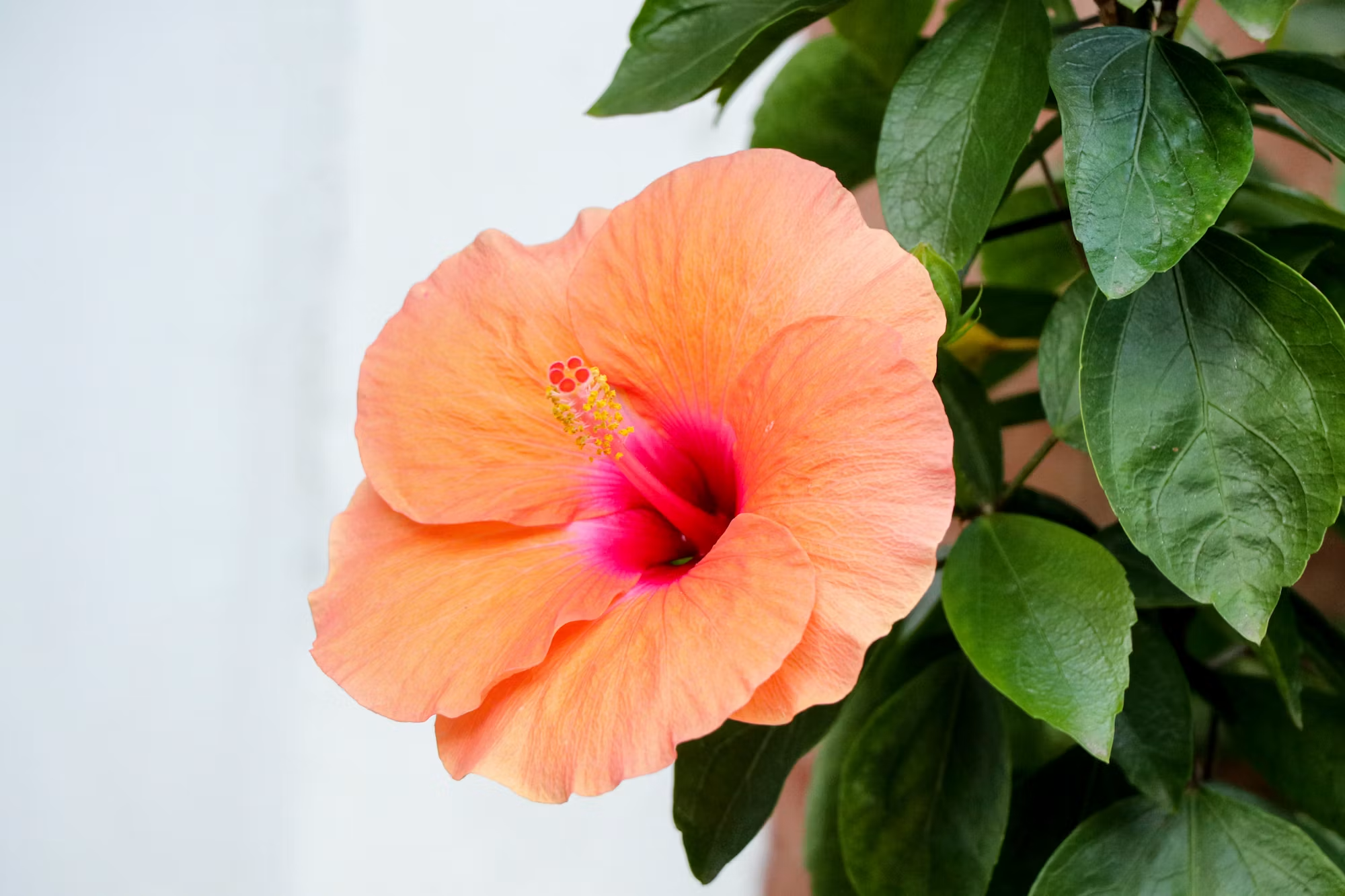
5. Tropical Plants: For a touch of the exotic, consider tropical plants such as hibiscus and bird of paradise. Their vibrant colors and unique shapes can transform any garden into a lush oasis.
6. Herbaceous Plants: These non-woody plants, like coneflowers and black-eyed Susans, are excellent for attracting pollinators. They contribute to a diverse ecosystem, promoting a healthy garden environment.
Designing Your Garden
Once you’ve chosen your plants, it’s time to focus on design. A well-planned garden considers both aesthetics and functionality. Here are some design principles to keep in mind:
1. Balance: Strive for balance in your garden layout. This can be achieved by distributing plants of varying heights and colors evenly throughout the space. Consider grouping plants in odd numbers for a more natural look.
2. Color Scheme: Selecting a cohesive color palette can create a harmonious garden. Choose colors that complement each other and reflect the mood you want to convey—cool colors like blues and purples can create a serene atmosphere, while warm colors like reds and yellows offer energy and vibrancy.
3. Layering: Utilize layering by planting taller species at the back or center of flower beds, with shorter plants in front. This technique adds depth and ensures all plants are visible, creating an inviting visual experience.
4. Pathways and Borders: Incorporating pathways can guide visitors through your garden while adding structure. Use materials like gravel, bricks, or mulch to define areas. Borders can also help delineate different sections, enhancing the overall organization of your garden.
5. Focal Points: Create focal points in your garden to draw the eye. This could be a unique sculpture, a stunning flowering tree, or a beautifully arranged flower bed. Focal points can serve as conversation starters and add a personal touch to your outdoor space.
Maintenance for Lasting Beauty
Once your garden is established, regular maintenance is key to preserving its beauty. Here are essential maintenance tips:
1. Watering: Consistent watering is vital, especially during dry spells. Early mornings or late afternoons are the best times to water, as it allows plants to absorb moisture before the heat of the day.
2. Fertilizing: Providing the right nutrients can significantly impact plant health. Use organic fertilizers to promote growth and flowering while minimizing harm to the environment.
3. Pruning: Regular pruning helps maintain plant shape and encourages new growth. Remove dead or diseased branches and spent flowers to keep plants healthy and looking their best.
4. Weeding: Weeds compete with your plants for nutrients and water. Regularly check your garden and remove any weeds to ensure your plants thrive.
5. Mulching: Adding a layer of mulch around plants can help retain moisture, suppress weeds, and improve soil quality. Organic mulches, such as wood chips or straw, can also enhance the garden’s appearance.
Attracting Wildlife
A well-designed garden can be a haven for wildlife, including birds, butterflies, and beneficial insects. Here are ways to create an inviting environment:
1. Diverse Planting: Incorporate a variety of plants that bloom at different times to provide food and habitat for pollinators throughout the growing season.
2. Water Sources: Adding a birdbath or a small pond can attract birds and other wildlife, creating a lively atmosphere in your garden.
3. Nesting Sites: Leaving some areas of your garden slightly untamed can provide natural nesting sites for birds and beneficial insects.
Conclusion
Creating a floral paradise is an exciting journey that requires planning, creativity, and care. By understanding your space, choosing the right plants, designing thoughtfully, and maintaining diligently, you can cultivate a garden that not only enchants the eye but also supports local wildlife and enhances your outdoor experience. As you embark on this journey, remember that gardening is a personal expression of your love for nature, and every bloom tells a story of your dedication and passion. Embrace the beauty around you and let your garden flourish in its unique splendor.